12 MAR 2026
Big cheers to the Baroness – salary sacrifice cap to be increased to £5,000 after amendment by the House of Lords
By Steve Berridge, IFGL Pensions Technical Services Manager
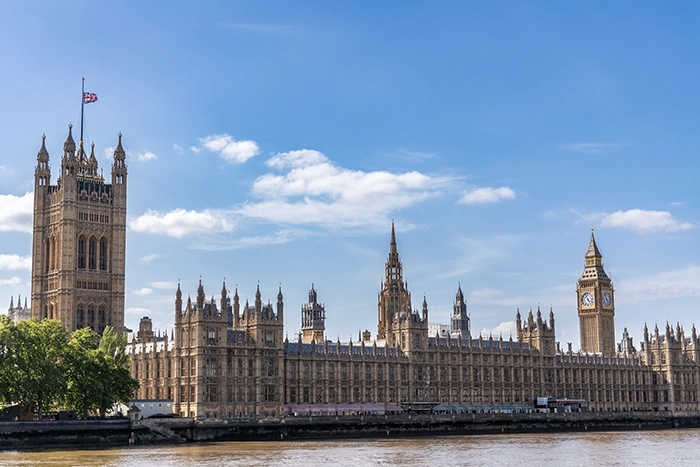
With the chaos in the Middle East continuing and the price of oil swinging faster than a by election opinion poll, it may have escaped attention yesterday that peers in the House of Lords have voted to raise the Government’s proposed cap on salary sacrifice pension contributions to £5,000.
The controversial legislation is currently making its way through parliament and is possibly misunderstood in some quarters. To recap, from April 2029, the Government is proposing to introduce a cap on pension salary sacrifice contributions. It announced in the Autumn budget that for salary sacrifice above £2,000, National Insurance Contributions would be payable. This would particularly impact employers who are already struggling with the increase of their rate to 15% at the previous budget.
What is perhaps misunderstood is that above the capped level, income tax relief will still apply, meaning that even before the amendment, salary sacrifice still carried some merit.
An amendment tabled by Baroness Susan Kramer, a Liberal Democrat peer, proposed an increase in this level to £5,000 and it was approved by a vote, 194 in favour with 140 against.
This is a welcome piece of good news for pension savers, particularly those in the private sector DC world, who are already reeling from the October 2024 announcement that from April 2027, their pension pots will fall within the remit of inheritance tax for the first time.
The House of Lords often comes in for flak in the media, but this is an example of how they have held back what many believe to be a particularly harsh new piece of legislation. Legislation which as originally penned, in the eyes of many commentators made no sense, given the current prediction that many thousands of workers have made inadequate pension provisions for their retirement.
The National Insurance Contributions (Employer Pensions Contributions) Bill will return to the House of Commons for its final debate before receiving Royal Assent, if MPs in the Commons agree to the amendments. Let us hope that common sense prevails and they do.

Steve Berridge
Technical Services Manager
Steve has over 35 years’ experience in the financial services industry. Steve joined IFGL Pensions in September 2021.