01 APR 2026
Britain’s two-tier pension system; do we need a conversation about DB pensions?
By Steve Berridge, IFGL Pensions Technical Services Manager
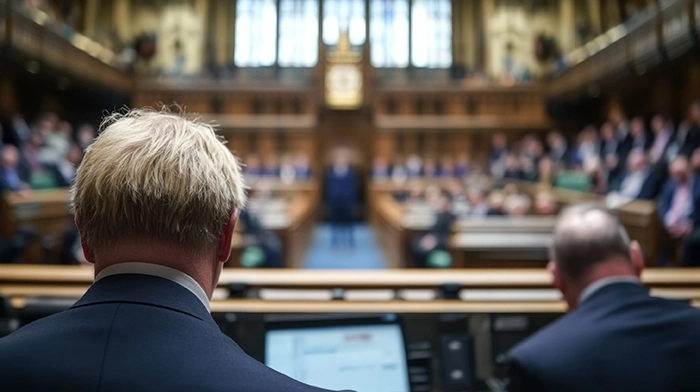
Readers might remember me celebrating recently a decision by the House of Lords to increase the salary sacrifice cap from the proposed £2,000 to £5,000 with effect from 2029. Unfortunately, a bit like spring last week, the joy was short lived, and the amendment was promptly rejected by the House of Commons less than a fortnight later.
At the same time recently, households around the country felt the dreaded thud of their 2026/27 Council Tax bills landing on their doormats with the now almost obligatory above inflation rises. Those who take the time to scrutinise exactly where their money goes each year might notice that a not insubstantial amount of revenue goes towards paying for the pension benefits provided to local government workers.
Whilst these defined benefit schemes are not quite as generous as they used to be, it remains a fact that those in the public sector by and large can look forward to pensions in retirement which far exceed those on offer to average private sector employees. With life expectancies having improved over the years, the cost of meeting liabilities on these schemes which generally are unfunded, is quite eye watering, when you look at the numbers involved.
Since the Labour Government took office, we have seen some significant changes to pension legislation which have impacted defined contribution schemes (the main choice in the private sector) far more than defined benefit scheme schemes (the usual option in the public sector). For example, defined benefit scheme pensions will be exempt from inheritance tax after April 2027, whereas lump sum defined contribution death benefits will not. It is therefore perhaps not unreasonable to ask two questions, firstly “Is this fair?” and secondly “Can the UK continue to afford to maintain these DB schemes?”
There is of course the argument that historically at least, workers in the public sector received salaries that were usually below those of workers in the private sector of a similar educational level. Doctors and surgeons for example will rightly argue that their private sector earning potential exceeds that available in their day job in the public sector. However, even here, that argument is holding less water these days. From November 2025 to January 2026 for example, the ONS reports average regular earnings growth of 5.9% in the public sector, compared to only 3.3% in the private sector. The medical profession for example has received pay increases far above inflation since Labour came to power in July 2024.
The vote by MPs on the salary sacrifice was very disappointing on many levels, but also arguably short-sighted. The UK is facing a pension savings crisis as Gen X workers start reaching retirement age and it will only get worse when Millennials start to reach the same stage a decade or so from now. The DC v DB debate has raged for years but at some point, one feels a conversation really needs to be had about whether UK PLC can continue to afford these generous guaranteed benefits in the modern era. Currently it feels like the tax system is being tweaked to benefit one sector of Britain’s pension members compared to the other.

Steve Berridge
Technical Services Manager
Steve has over 35 years’ experience in the financial services industry. Steve joined IFGL Pensions in September 2021.